The Best Colours to Use When Designing a Small Kitchen
Our Head of Design Megan Barker shares her thoughts on small kitchen colour schemes
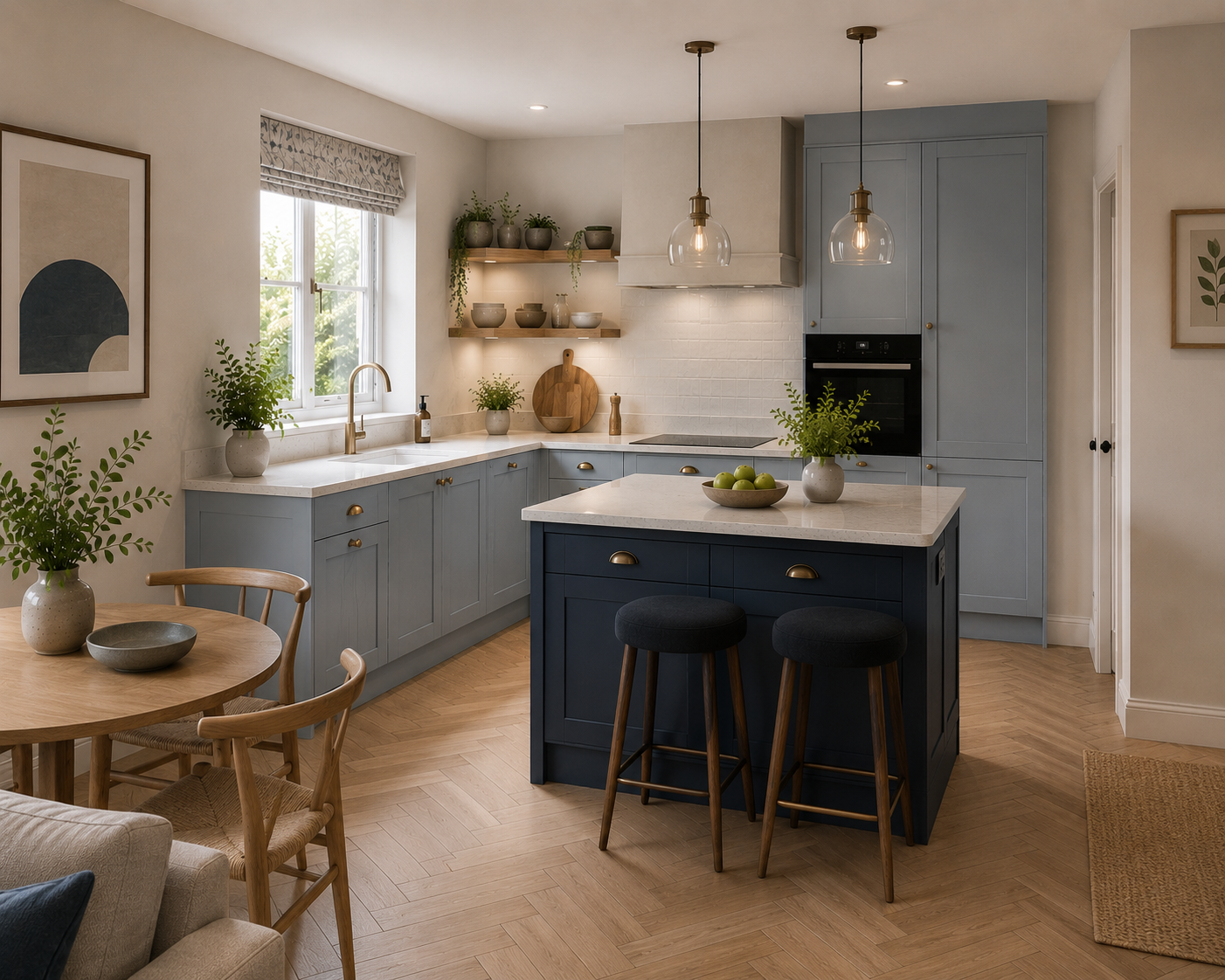
When space is limited, choosing the right kitchen colour can make a surprisingly big difference. Colour affects far more than the overall style of a room: used thoughtfully, it can make a small kitchen feel brighter, wider and more inviting, while giving even the most compact space a strong sense of personality.
The traditional advice has always been to keep a small kitchen white. There's certainly plenty of merit in that approach, but it isn't the only option. From soft greens and warm neutrals to surprisingly dramatic darker shades, there are plenty of ways to introduce colour without making a small kitchen feel enclosed.
The secret lies in understanding how different colours interact with natural light, worktops, flooring and the proportions of the room.
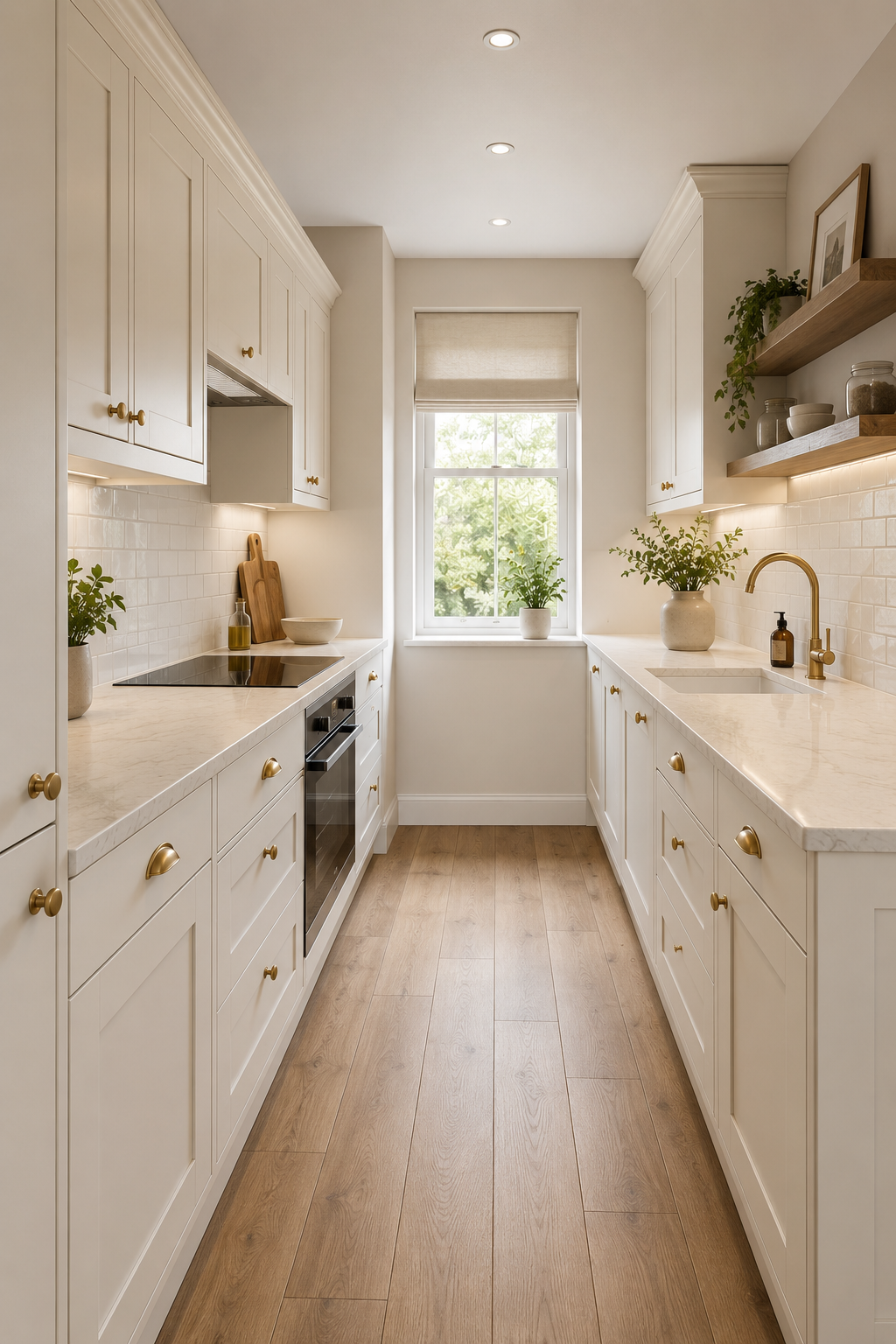
White: the timeless choice for a small kitchen
It's easy to understand why white kitchens remain such a popular choice for smaller spaces. White cabinetry reflects light rather than absorbing it, helping a compact kitchen feel brighter and more open.
In a narrow galley kitchen, for example, pale cabinetry on opposing walls can reduce the visual weight of the furniture and create a greater feeling of space. White is also particularly effective in kitchens with relatively little natural daylight.
However, an all-white kitchen doesn't need to feel clinical. Warm white and off-white finishes can be combined with timber flooring, natural stone, warm metallic handles or a contrasting worktop to introduce texture and character.
For a traditional interior, a white Shaker kitchen offers an enduring look, while smooth matt or handleless white cabinetry can create a wonderfully clean and contemporary finish.
Can you use dark colours in a small kitchen?
Absolutely.
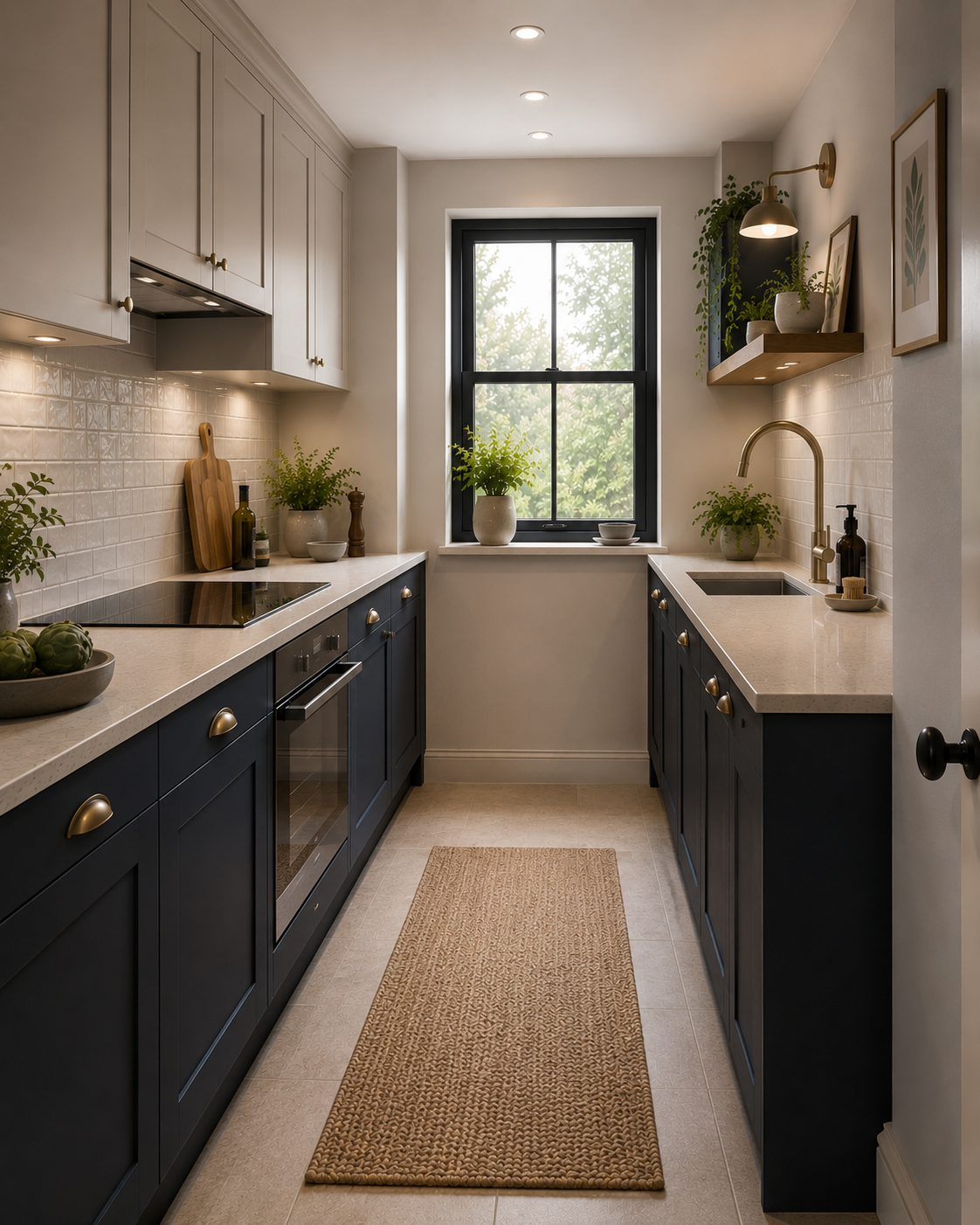
One of the biggest misconceptions about designing a small kitchen is that dark colours should always be avoided. In reality, a carefully designed dark kitchen can feel incredibly sophisticated.
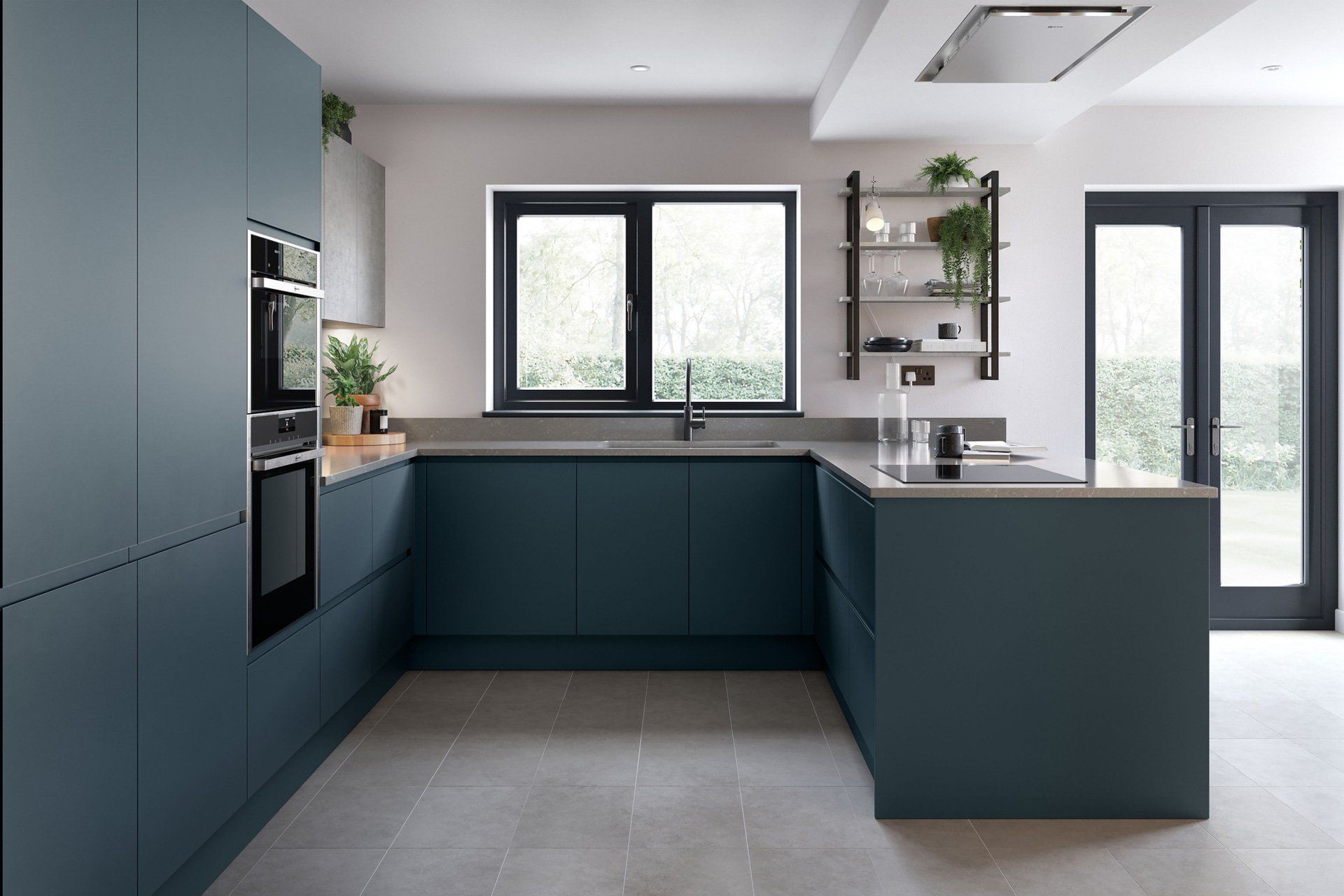
Black, charcoal, deep green and navy cabinetry can add depth and drama, particularly in rooms with good natural light.
The key is balance.
Rather than surrounding a compact room entirely with dark cabinetry, consider combining darker base units with lighter wall units, using a pale worktop, or restricting the strongest colour to one wall or a feature area.
Lighting becomes especially important too. Good task lighting beneath wall cabinets, thoughtfully positioned ceiling lights and natural daylight can prevent darker cabinetry from making the space feel gloomy.
Sometimes embracing a small room's proportions rather than trying to disguise them produces the most interesting interior.
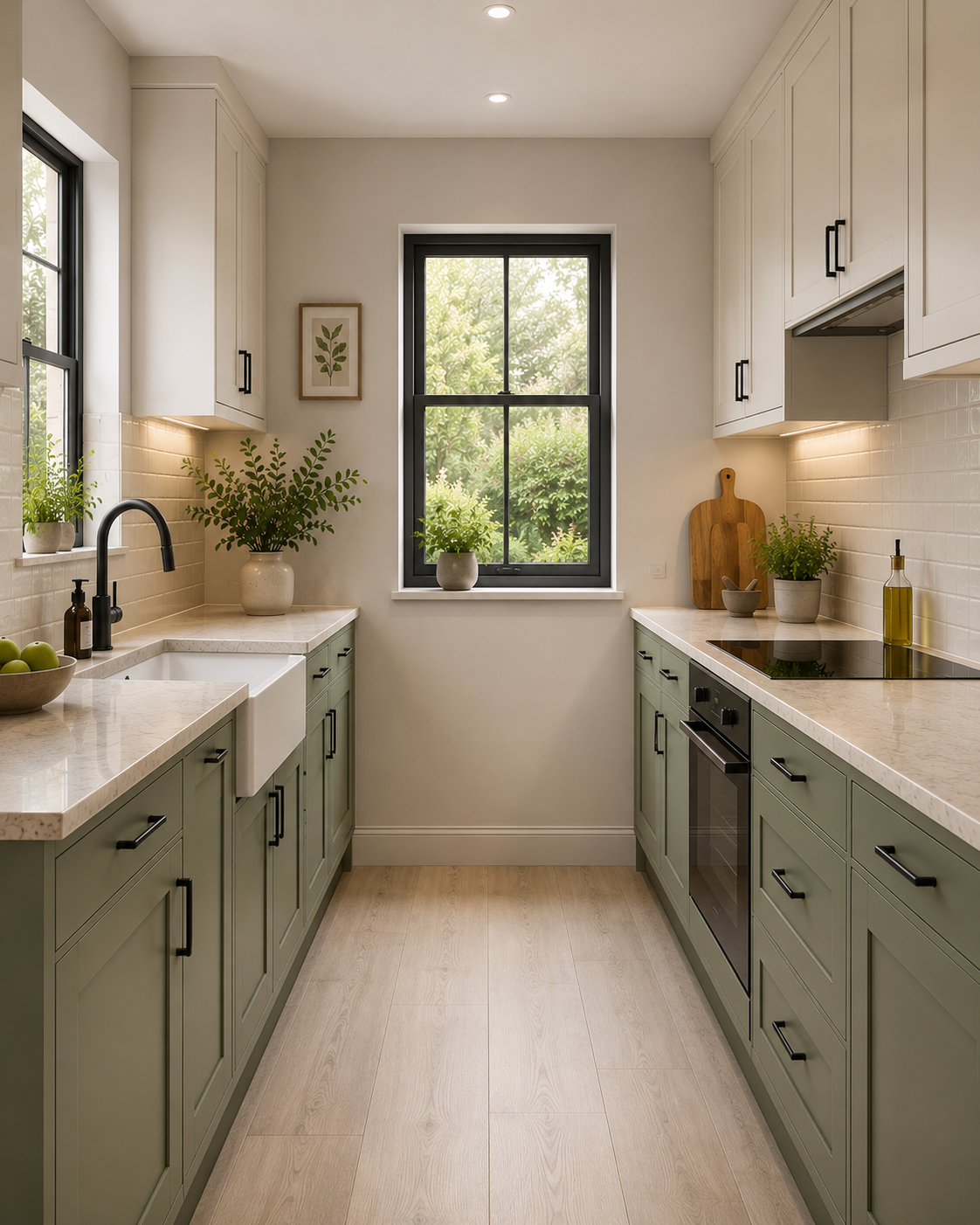
Soft green kitchens : bring the outside in
Green has become a modern kitchen classic, and softer shades can work particularly well in smaller rooms.
Think sage, eucalyptus and muted Reed Green rather than very dark forest tones. These nature-inspired colours introduce character without dominating the room and work beautifully alongside warm whites, timber and natural stone.
Green can be especially successful in a small kitchen overlooking a garden. Repeating colours visible through a window or glazed door creates a subtle connection between indoors and outdoors, helping the boundaries of the room feel less defined.
For a softer scheme, combine green base cabinets with lighter wall cupboards, sometimes a green kitchen just means hints of colour. Keeping the colour below eye level adds personality while allowing the upper half of the room to remain bright and open.
Cashmere and warm neutrals: softer than white
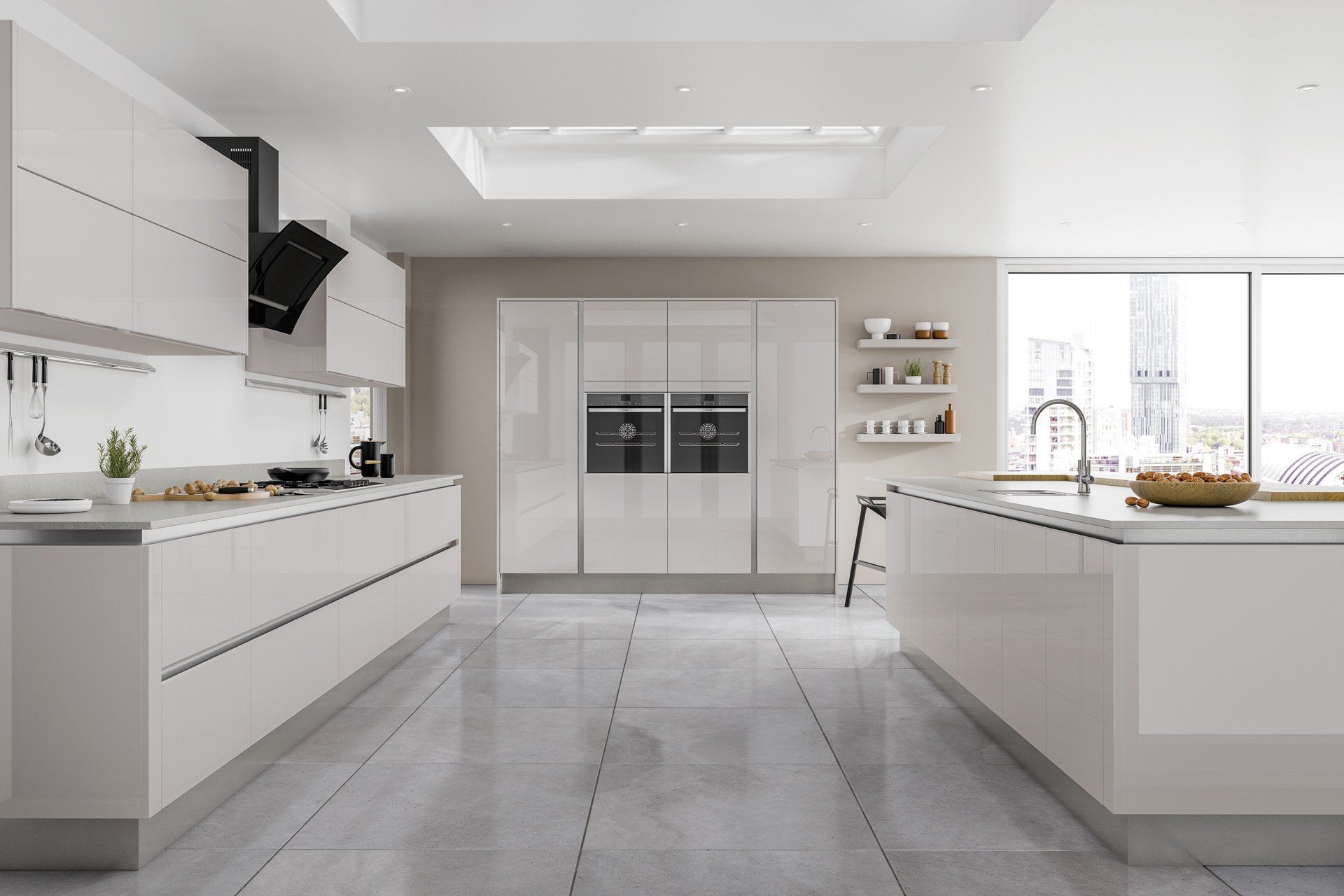
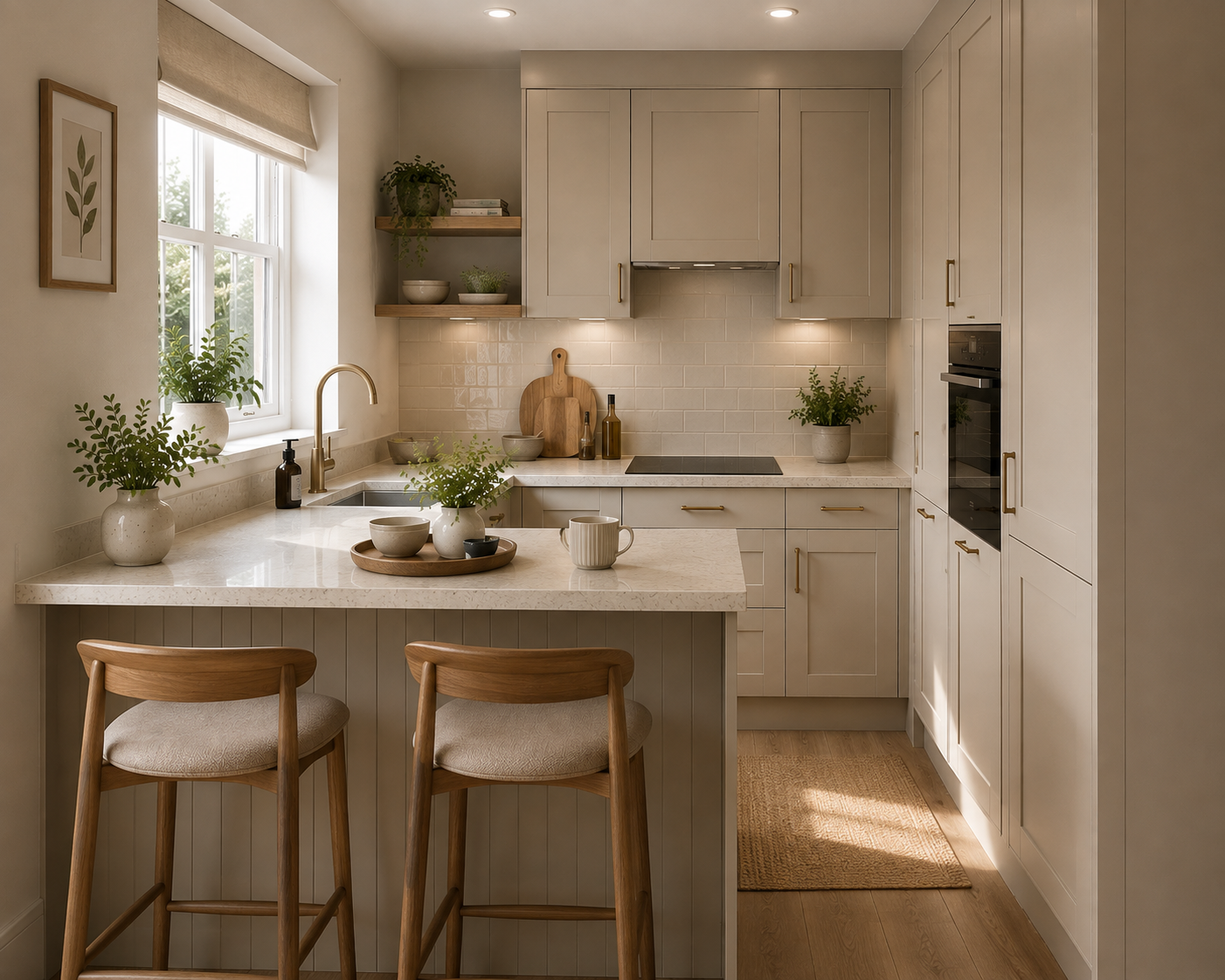
If pure white feels a little stark, cashmere, taupe, stone and warm neutral kitchens provide an excellent alternative.
These understated shades have many of the space-enhancing qualities of white while creating a warmer, more relaxed atmosphere. They are also remarkably versatile, sitting comfortably alongside both traditional Shaker furniture and contemporary handleless cabinetry.
Warm neutrals are particularly effective in rooms where the available natural light has a cooler quality. Pairing cashmere cabinetry with a pale quartz worktop, for instance, can produce a beautifully understated scheme that feels light without becoming cold.
Natural wood is another excellent companion. Even a small amount – perhaps flooring, open shelving or a breakfast bar – can introduce warmth and prevent a neutral kitchen from appearing flat.
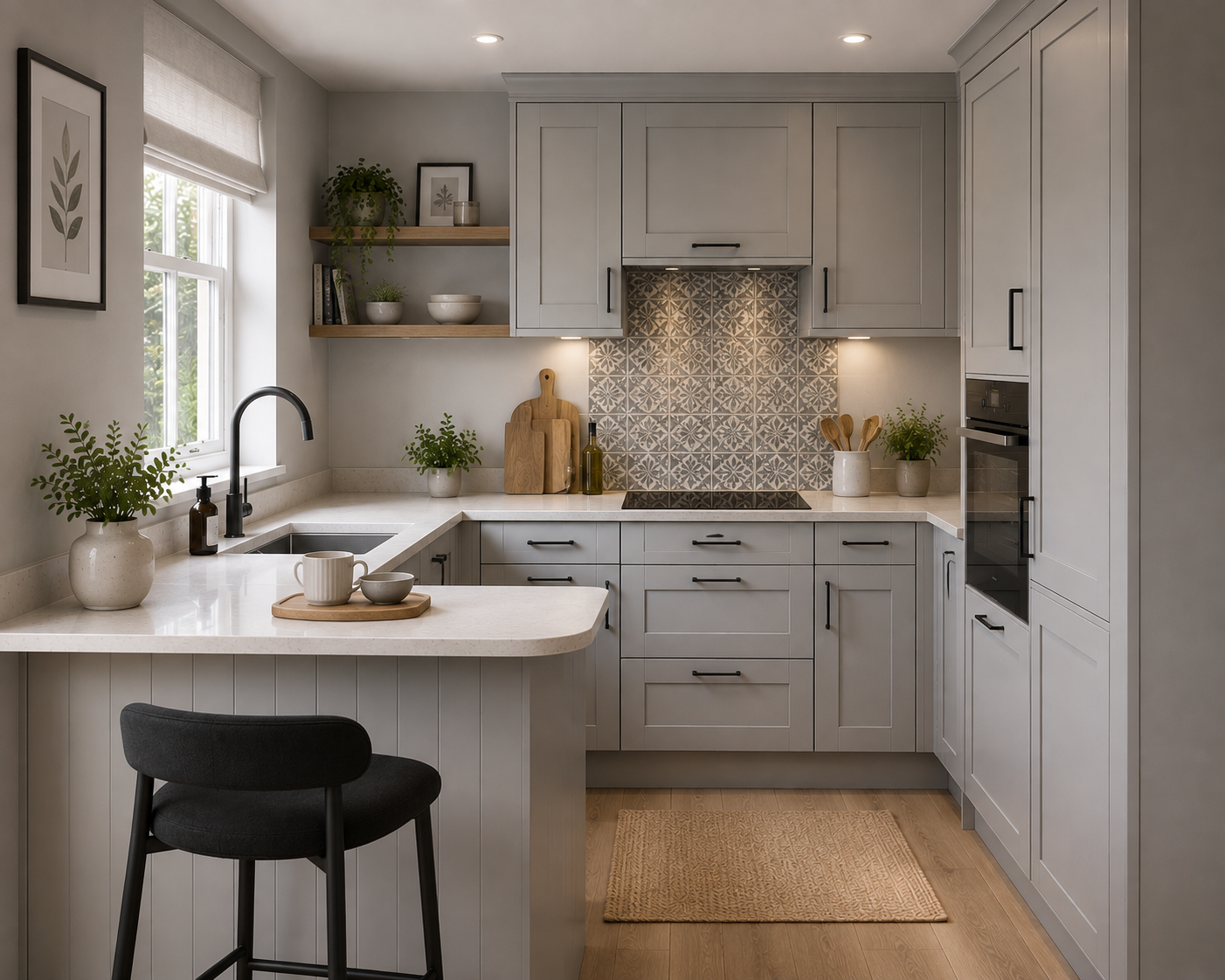
Pale Grey Kitchens: a sophisticated alternative
Grey may no longer dominate kitchen trends in quite the way it once did, but carefully chosen lighter greys remain an excellent option for compact kitchens.
The important consideration is the undertone. Cooler blue-greys can appear quite stark in a north-facing room, whereas warmer greys can provide depth while retaining an airy appearance.
A pale grey kitchen also creates an ideal backdrop for stronger accents. Black handles, brushed brass hardware, patterned tiles or a dramatic splashback can all introduce contrast without overwhelming a smaller room.
Blue Kitchens: choose the shade carefully!
Blue kitchens can look spectacular in smaller spaces, although the shade and its position within the room deserve careful consideration.
Soft duck-egg, muted blue-grey and gentle coastal tones can behave almost like neutrals, bringing colour to the kitchen while retaining a fresh and spacious feel.
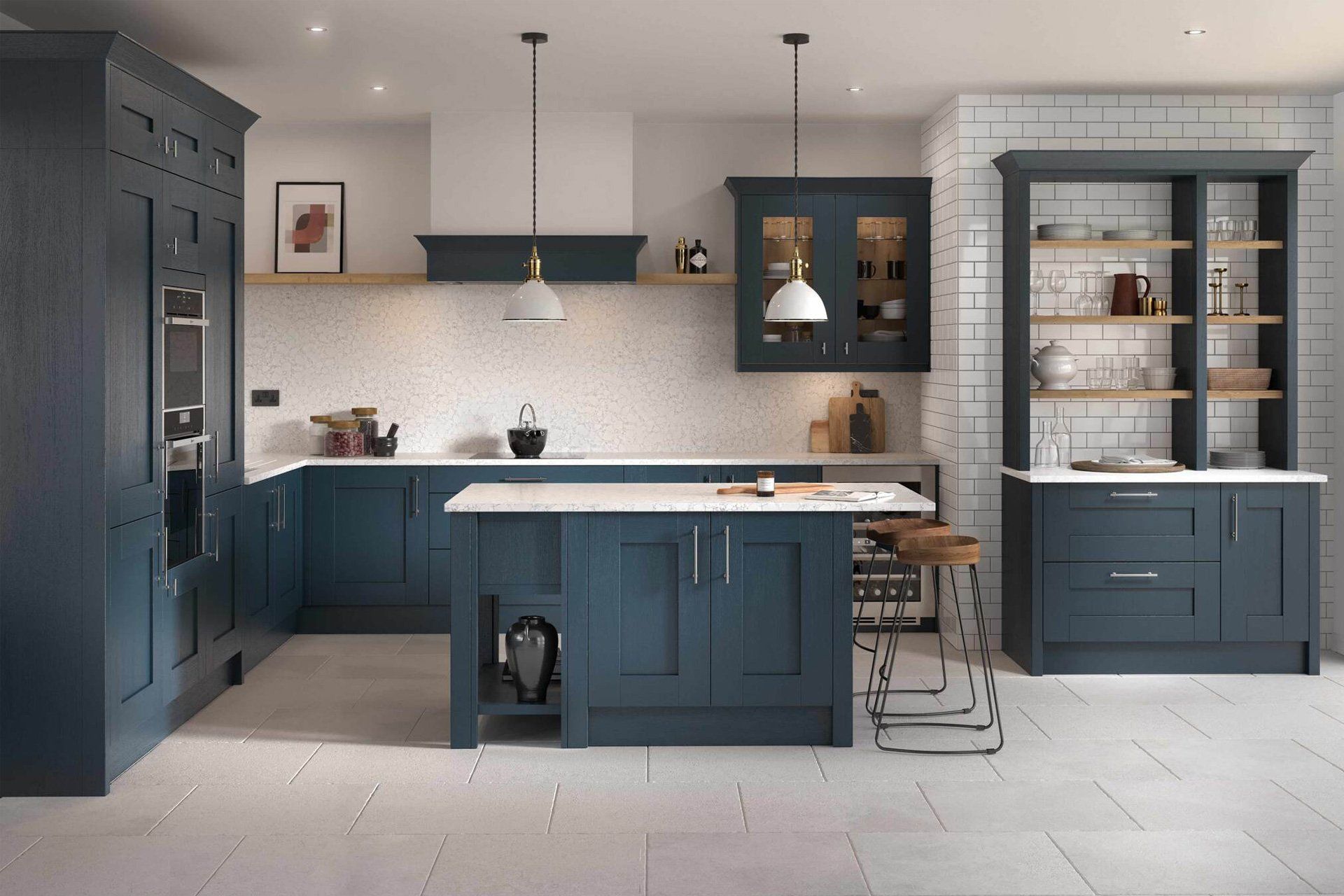
Darker navy and midnight blues require a little more thought, but shouldn't automatically be ruled out. Used on a kitchen island or lower cabinetry and balanced with pale walls and worktops, a deeper blue can create an impressive focal point without visually reducing the entire room.
This approach can be particularly effective in an open-plan kitchen, where a contrasting colour helps define the kitchen without the need for walls or partitions.
Don't choose your kitchen colour in isolation
The best colour for a small kitchen isn't determined by the cabinetry alone.
Worktops, splashbacks, flooring, wall colours and lighting all contribute to how spacious the finished room feels.
Continuous surfaces can be particularly effective. Using the same pale worktop across a run of cabinetry creates an uninterrupted horizontal line, while a matching upstand or splashback can reduce visual clutter.
Flooring can have a similar effect. Running the same flooring through the kitchen and into an adjoining dining or living space helps visually connect the rooms and can make the kitchen itself appear larger.
Even handles matter. Large contrasting handles create more visual detail, while understated knobs, slim handles or handleless cabinetry can produce a cleaner appearance.
Consider the direction of natural light
Before falling in love with a particular colour, look carefully at the light in your kitchen.
South-facing kitchens generally receive warmer, stronger natural light and can comfortably accommodate a wider range of colours, including deeper tones.
North-facing kitchens tend to receive cooler light, making warm whites, cashmere, stone and warmer greens particularly attractive choices.
The colour can also change dramatically throughout the day. A cabinet door that looks perfect beneath showroom lighting may appear quite different in your own home.
This is one of the reasons it is always worth viewing samples in the actual room before making your final decision.
So, what is the best colour for a small kitchen?
There isn't a single answer.
If maximising brightness is the priority, white, off-white and pale neutral cabinetry remains difficult to beat. For something warmer and more individual, soft green, cashmere and muted blue can introduce colour while maintaining a light and welcoming atmosphere.
And if you love darker interiors, don't be frightened of them simply because your kitchen is small. Good design is about balancing colour, light, materials and proportions rather than following rigid rules.
Ultimately, the best small kitchen colour is one that works with the natural light, complements the rest of your home and, most importantly, creates a space you will enjoy spending time in.
Designing a Small Kitchen Around You
In a smaller kitchen, thoughtful planning is every bit as important as colour. Clever storage, carefully considered cabinetry and a layout designed around how you actually use the room can transform even the most challenging space.
At My Fitted Kitchen, every kitchen is individually designed around your home, your lifestyle and your personal style. During your free home design visit, our designers can explore different layouts, colours and finishes with you and use photorealistic 3D design technology to help you visualise how your new kitchen could look before it is hand-crafted.
Our Kitchen Blog